
Destructive testing can be an essential part of the job for many parts, especially at an AS9100 Rev. D-certified shop like ours. But waiting weeks for an outside lab can hold up a job, and if the sample then fails, parts must be remade and tested again.
At United Centerless Grinding & Thread Rolling, our in-house destructive testing lab helps reduce that risk by screening thread samples before we submit them for required outside testing.
How Outside Testing Can Extend Lead Times
For aerospace jobs requiring destructive thread testing, inspection is part of the production plan. Samples must be taken at specified points throughout a run. In our shop, that can mean testing the first, middle, and last parts of a lot.
When production has to stop as we wait for the official results, each wait adds time to the schedule. A failure creates a larger problem: the parts produced since the last passing sample may need to be scrapped.
The customer then faces more than the original testing delay, because replacement parts require more production time and another round of testing.
Catching Thread Defects Before Outside Testing
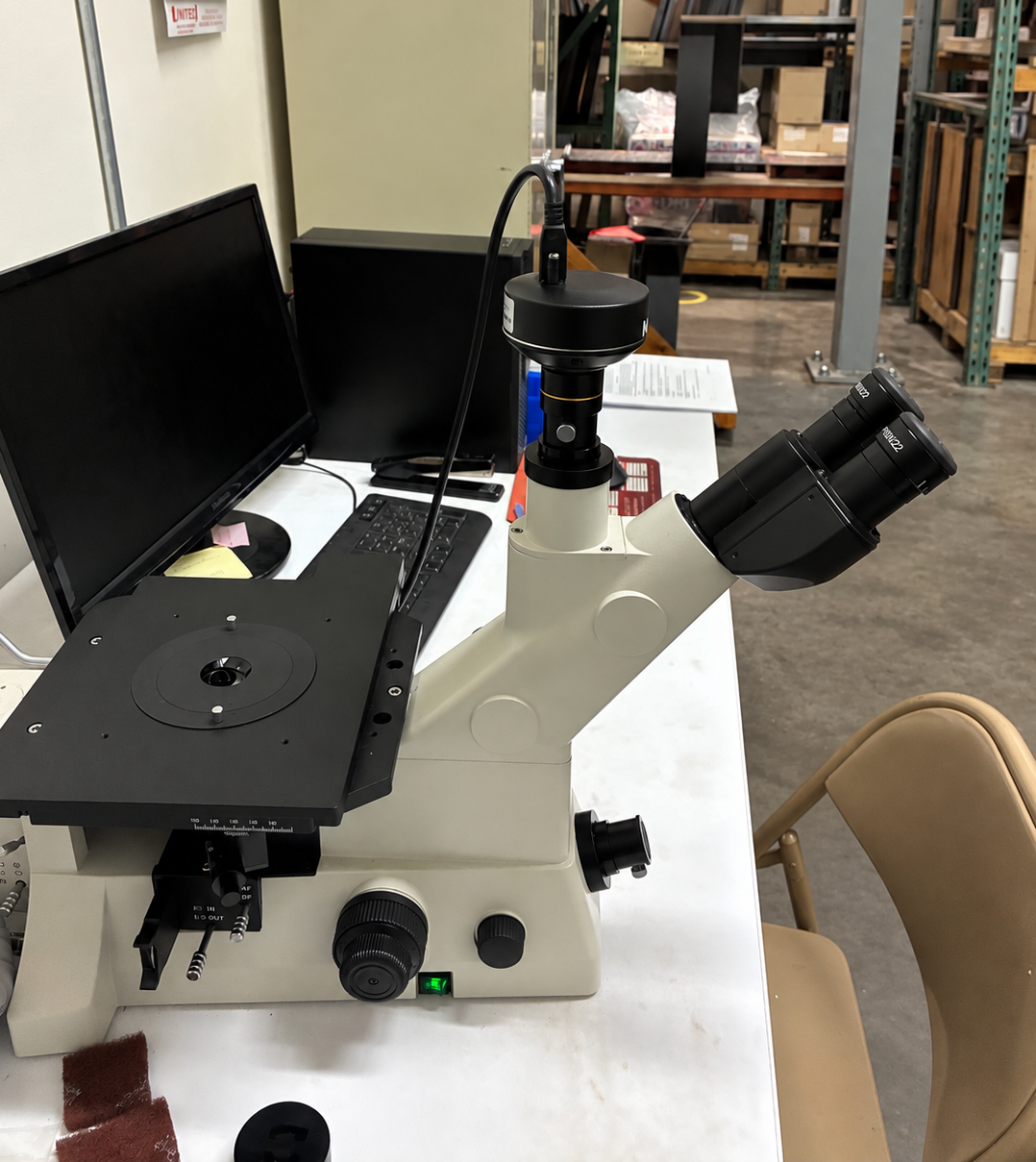
We started our in-house destructive testing lab to spot potential issues earlier. We first examine samples ourselves and evaluate thread quality, and if necessary, we can address problems before submitting samples to an outside lab.
Our internal screening does not replace required outside testing. Our lab is not currently certified for that work, so we continue to use a certified testing partner for formal verification.
Instead, the benefit is that we get feedback earlier, which helps prevent delays. If we find a defect, we can correct the process and manufacture new parts before sending them to the outside lab for testing. That helps avoid waiting weeks only to learn that a sample has failed.
With our thread rolling services expertise and internal testing capabilities, our pass rate for outside destructive testing is over 95%. Customers can have confidence that testing won’t lead to failure.
What We Examine in Rolled Threads
Destructive examination allows us to evaluate features that typical inspection cannot fully assess. For rolled threads, that includes looking for internal defects and checking how material flowed during forming.
Thread rolling dies must track correctly as they form the thread. Problems with alignment or material flow can lead to defects like laps and cracks. We examine polished thread cross sections under high magnification, including the flanks, crests, and roots. Next, we use chemical etching to examine the material’s grain flow.
Together, these checks help us determine whether the rolling process created acceptable threads.
Reducing Risk to Your Delivery Schedule
Our long-term goal is to be certified for our in-house destructive testing. For now, this preliminary screening process lets us reduce lead times even when we rely on outside testing partners to provide the required formal results.
This approach doesn’t fully eliminate outside lab lead times or guarantee that every sample will pass. But it does make it unlikely that a failed outside test will force us to add significantly to a project’s lead time.
If your next aerospace project requires thread rolling and destructive testing, request a quote from UCGTR!